Anduril Launches Seabed Sentry, AI Undersea Sensor Network
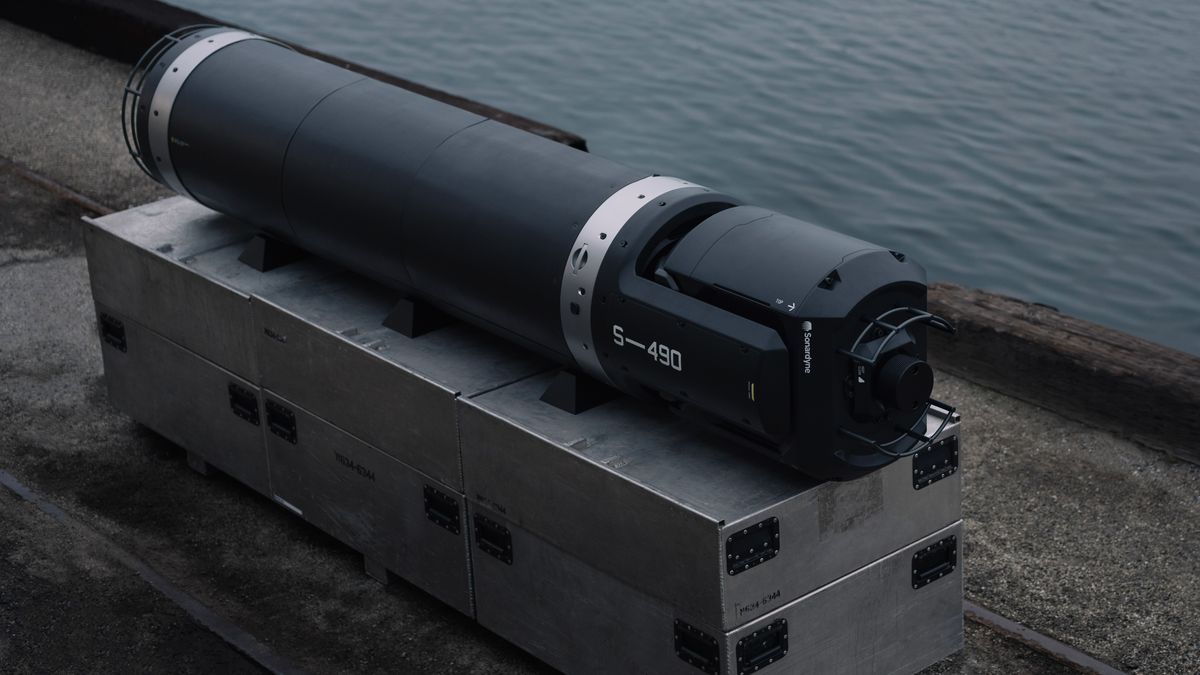
Anduril announced Seabed Sentry, a network of AI-powered sensor nodes that sit on the ocean floor to provide real-time monitoring and communication for military and commercial use. The system works with Anduril's Lattice software and Dive autonomous submarines.
What happened
Anduril introduced Seabed Sentry on April 3, 2025, describing it as a mobile undersea sensor network that uses artificial intelligence to monitor the seafloor. The nodes operate at depths exceeding 500 meters and can last months to years on a single deployment. Unlike fixed seafloor systems that are expensive to install and maintain, Seabed Sentry units are wireless and can be placed by autonomous submarines, then recovered, recharged and redeployed.
The system is designed to work with Anduril's Lattice software platform, which fuses sensor data into a shared operational picture. Seabed Sentry can carry different sensor payloads for tasks including seabed mapping, detecting submarines, tracking surface ships, protecting ports and critical underwater infrastructure, and building maps of routine maritime activity. The nodes use technology from Ultra Maritime called Sea Spear for long-range underwater sensing.
Anduril said it has invested in production facilities to manufacture Seabed Sentry at scale. The company emphasizes the system's reusable design as a cost advantage over traditional fixed seafloor surveillance.
Background
Anduril's core strength is Lattice, a software platform that ingests sensor feeds and displays a unified operational picture to let operators task multiple machines with fewer people. The company has been expanding beyond air and ground systems into maritime, including Dive-LD, an autonomous submarine roughly the size of a small car that dives to 6,000 meters and stays deployed for about ten days. Seabed Sentry complements these systems by providing a persistent network that can detect and communicate subsea activity in real time—something current technology struggles to do over large ocean areas without high cost.
What to watch next
Watch for announcements of customer trials or orders, particularly from the U.S. Navy or allied navies. Anduril's statement that production facilities are ready to scale suggests the company expects near-term demand. The partnership with Ultra Maritime's Sea Spear technology may also indicate further integrations or joint developments.
Sources
- Original report: Anduril Introduces Seabed Sentry Undersea Sensor Network (Anduril newsroom, Apr 3, 2025) Official Anduril
Written by Anduril News with AI assistance from the original report and other coverage, in plain English. It can contain mistakes; check the original for anything important. How we write these.