Anduril Demonstrates Connected Defense Systems at NATO Eastern Flank Exercise
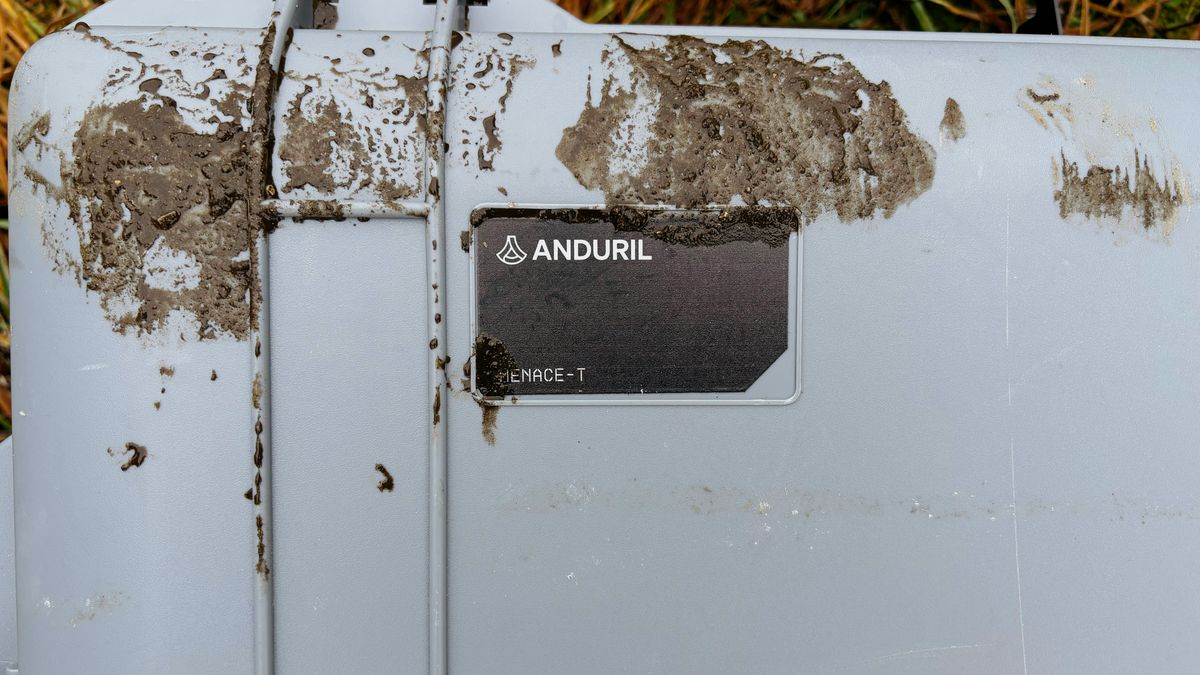
Anduril joined a U.S. Army and Estonian military exercise in November to test its Lattice software platform connecting radar, drone-detection, and command systems across NATO's eastern border in response to Russian airspace violations.
What happened
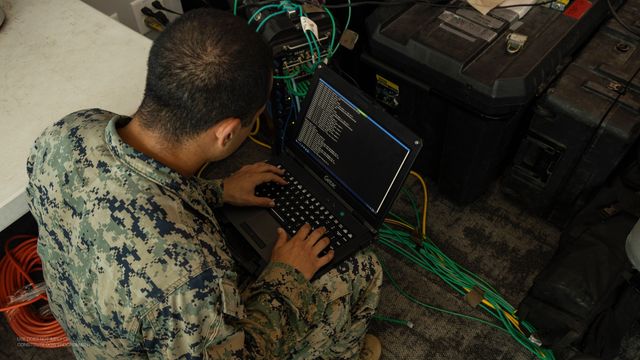
In early November 2025, Anduril engineers participated in Digital Shield 1.0, a five-day exercise in Tallinn, Estonia, led by the U.S. Army's 10th Army Air and Missile Defense Command and the Estonian Defense Forces. The exercise tested the Eastern Flank Deterrence Line (EFDL), a distributed network designed to integrate sensors and command systems across NATO's eastern border in response to increased Russian military activity. Russian drones violated Polish airspace in September, and Russian fighter jets entered Estonian airspace without authorization, prompting NATO to strengthen its defenses.
Anduril deployed Menace-T tactical compute kits and Lattice nodes to fuse data from multiple sources into a single shared map. The integrated systems included Estonian radars for detecting artillery and mortars, air-defense radars, a Ukrainian acoustic sensor network for drone detection, and a commercial drone-tracking feed. Within 48 hours, Anduril's team connected these previously separate systems so operators at different command centers could see the same targets simultaneously. The exercise compressed work that typically takes months of integration into just days, proving the speed advantage of digital interoperability against fast-moving aerial threats.
Background
NATO's eastern flank—the alliance's border with Russia and Belarus—has faced increasing military pressure. Russia's invasion of Ukraine in 2022 fundamentally reshaped European security calculations. The EFDL is a U.S. Army initiative, working with NATO allies, to create a resilient, distributed defense network stretching across Poland, Lithuania, Latvia, and Estonia. Rather than relying on fixed positions, the EFDL allows each nation to defend its own airspace while feeding sensor data into a shared network so that detections in one country can trigger responses by allied forces elsewhere. Lattice, Anduril's core software platform, fuses data from cameras, radars, drones and other sensors into one picture and lets operators manage many systems from that view. It is already in use with U.S. border defense and counter-drone programs.
What to watch next
Future iterations of Digital Shield will expand integrations across more NATO members, introduce automated data fusion and effects coordination, and deepen participation across the alliance. Anduril and the U.S. Army will likely conduct additional exercises to refine the EFDL concept and test it under more complex threat scenarios.
Sources
- Original report: Anduril Demonstrates Connected Defense on NATO’s Eastern Flank (Anduril newsroom, Nov 24, 2025) Official Anduril
Written by Anduril News with AI assistance from the original report and other coverage, in plain English. It can contain mistakes; check the original for anything important. How we write these.