U.S. Department of War Awards Production Agreement for Anduril's Barracuda-500M Cruise Missile
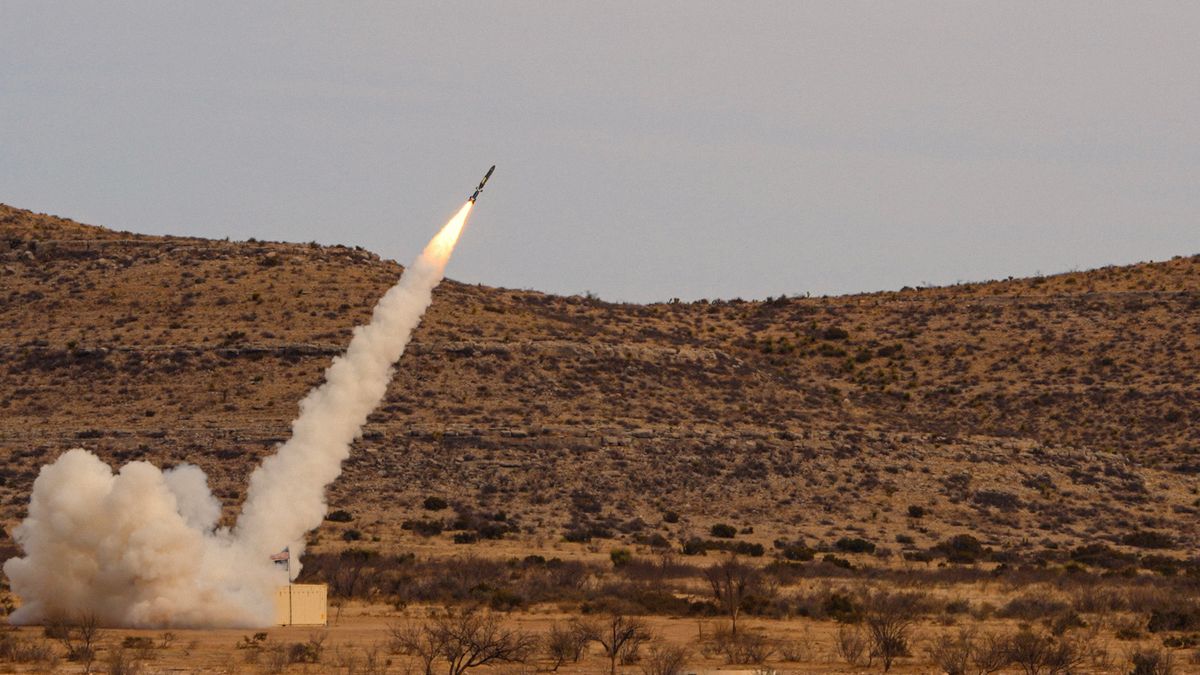
The U.S. Department of War signed a framework agreement with Anduril to produce at least 3,000 surface-launched Barracuda-500M cruise missiles over three years, with deliveries starting in mid-2027 at a rate of at least 1,000 per year.
What happened
On May 13, 2026, the U.S. Department of War announced a framework agreement with Anduril Industries for production of the surface-launched Barracuda-500M (SLB-500M), a cruise missile designed to be affordable and fast to manufacture. The agreement covers a minimum of 3,000 complete systems for the Army's FIRES program over three years, with the option to order more based on military needs.
Under the deal, Anduril will deliver at least 1,000 missiles per year and more than 60 containerized launch systems starting in the first half of 2027—just one year after the agreement. The missile carries a 100-pound warhead and has a range of over 500 nautical miles. It can be optionally integrated with Anduril's Lattice software platform to enable autonomous and coordinated strike behaviors.
Anduril has invested over $40 million in a Southern California production facility (115,000+ square feet) that opened earlier in 2026 and is already building Barracuda variants. The company plans to shift production to Arsenal-1, its much larger 5 million square foot facility near Columbus, Ohio, to meet higher demand. Anduril has also deployed $75 million of its own capital plus $58 million in Defense Production Act funding to build a solid rocket motor production facility in Mississippi, making itself the third U.S. supplier of rocket boosters needed to launch the missiles.
Background
Barracuda is a family of jet-powered autonomous air vehicles—in effect, cruise missiles—designed from the start for rapid, low-cost mass production using mostly off-the-shelf components and simple assembly (just 30 hours with ten hand tools). The surface-launched variant (SLB-500M) can be loaded into standard shipping containers with up to 16 rounds each and transported to firing locations.
The agreement represents a shift in how the U.S. military buys munitions. Traditionally, the Pentagon has ordered munitions in small batches—often only hundreds per year—creating supply bottlenecks and high per-unit costs. This framework, by contrast, commits to large annual volumes (1,000+) over multiple years, allowing manufacturers to invest in production capacity and lower costs through scale.
What to watch next
Watch for the first deliveries of SLB-500M and containerized launchers in the first half of 2027. The military and Anduril will likely publish early performance data. Attention should also go to whether the Pentagon exercises the option to order more than the minimum 3,000 systems, and whether other military branches (Navy, Air Force) request their own variants.
Sources
- Original report: Anduril, Department of War Sign Production Agreement for Surface-Launched Barracuda-500M (Anduril newsroom, May 13, 2026) Official Anduril
Written by Anduril News with AI assistance from the original report and other coverage, in plain English. It can contain mistakes; check the original for anything important. How we write these.