Army opens new path for air-defense missile makers to compete alongside Anduril
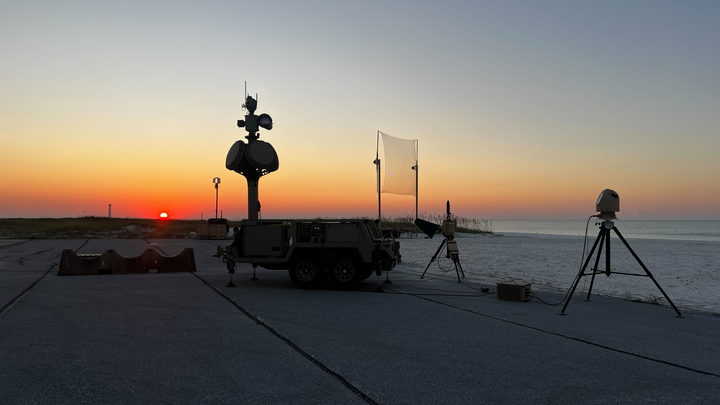
The U.S. Army is creating a second competition for its IFPC Increment 2 air-defense interceptor program, allowing companies that did not win the initial selection to demonstrate prototypes at an Army range in 2027, alongside the already-selected Boeing-Anduril and Lockheed Martin teams.
What happened
At the Association of the U.S. Army conference on October 14, Lt. Gen. Frank Lozano announced that the Army will hold what he called an "in-strike competition" for makers of the Indirect Fire Protection Capability (IFPC) Increment 2 interceptor. The two initial winners—Lockheed Martin and a Boeing-Anduril partnership—will continue their development contracts. But the Army is also inviting other companies that were not selected to invest in a second interceptor design and compete for range time in the fourth quarter of 2027, with the possibility of entering the program afterward.
Brig. Gen. Guy Yelverton, the program manager, told Breaking Defense that lessons from recent conflicts in the Middle East and Ukraine prompted Army leadership to explore alternatives beyond the two chosen teams. He said the move would "incentivize" industry to accelerate development and commit internal funding. Yelverton indicated the Army could potentially select a second vendor from this new competition, meaning it might ultimately work with three different contractors rather than two.
The Army is using a similar dual-track approach for the next-generation short-range interceptor program, where other firms can also compete against Lockheed and Raytheon. The move reflects broader Pentagon efforts to expand munition production capacity and refill depleted stockpiles, though actual contracts will depend on how the 2027 defense budget is finalized.
Background
The Indirect Fire Protection Capability (IFPC) Increment 2 program aims to develop a second interceptor missile to defend against incoming cruise missiles, drones, and other aerial threats. In the initial competition, the Army selected Lockheed Martin and the Boeing-Anduril team to continue development. This is part of a larger Army push to modernize air defenses and increase the speed of munition acquisition. The Pentagon has faced pressure to boost production of critical weapons amid global tensions and to replenish stocks drawn down by aid to Ukraine.
What to watch next
The Army will offer range time and demonstrations to new competitors in the fourth quarter of 2027, with decisions on additional vendor selection to follow. The outcome will partly depend on whether the 2027 defense budget passes and whether munitions funding is secured in the base budget or reconciliation bill.
Sources
- Original report: Didn’t get picked for IFPC interceptor competition? Army says come demo anyway (Breaking Defense, Oct 14, 2026) Defense media
Written by Anduril News with AI assistance from the original report and other coverage, in plain English. It can contain mistakes; check the original for anything important. How we write these.