Anduril's Lattice software controls drone teams in Army exercise
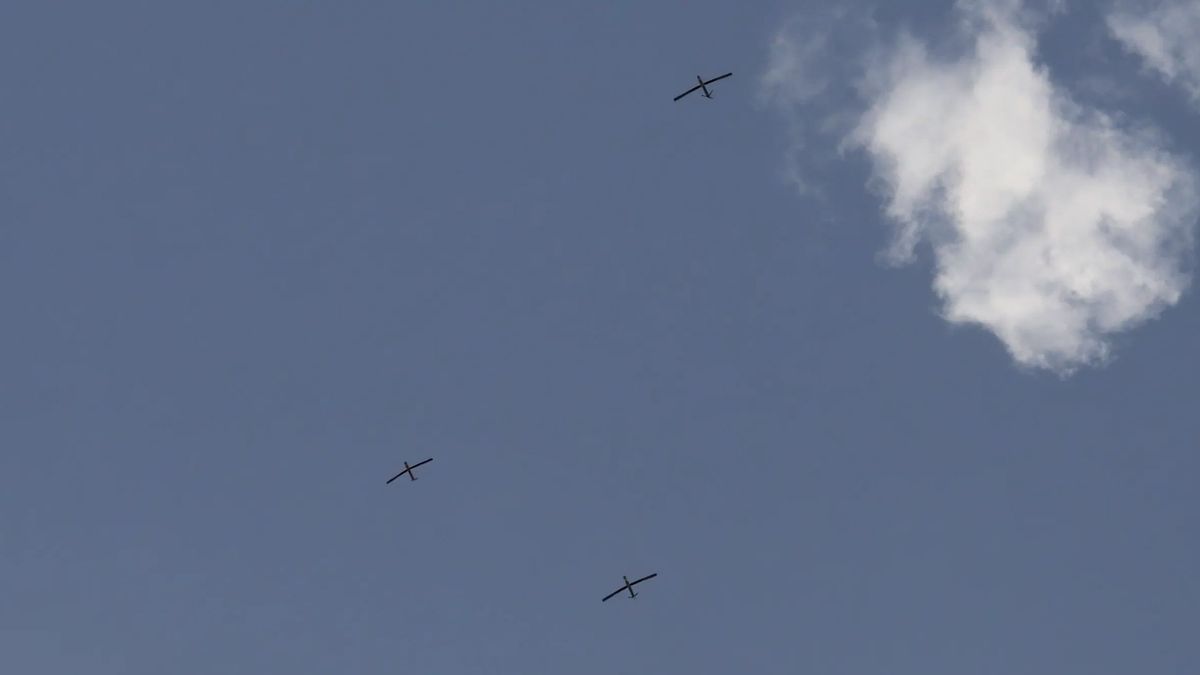
Anduril demonstrated its Lattice mission control software at a U.S. Army exercise, using it to command multiple drones—including loitering munitions—to locate and destroy a simulated air defense target while supporting a helicopter landing.
What happened
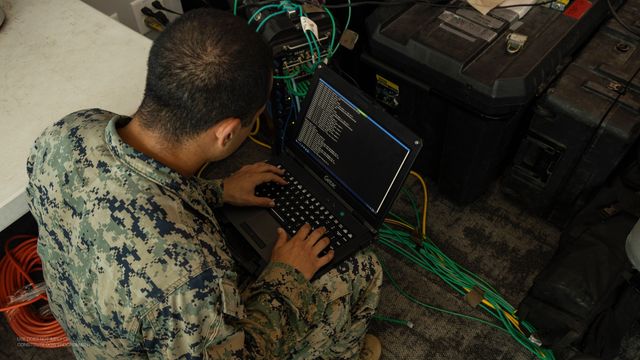
At EDGE23, an annual Army exercise at Yuma Proving Ground in Arizona, Anduril showed how its Lattice for Mission Autonomy software can coordinate teams of drones with different sensors and weapons. A single soldier used the software to plan and command four uncrewed aircraft: three Anduril Altius-600 drones (one as a decoy, one with surveillance sensors, and one configured as a loitering munition—a drone that can circle and strike on command) plus a Textron Aerosonde drone equipped with electronic warfare sensors. The software first tasked the decoy and the Textron drone to search for a surface-to-air missile site. Once signals were detected, it automatically switched control to the surveillance and strike drones to locate the target precisely. After the soldier authorized the attack, the Altius-600M loitering munition struck the target, and the software then retasked the surveillance drone to assess the damage. Finally, a real UH-60 helicopter pilot took control of the surveillance drone through a standard military app (ATAK) to continue operations. Anduril and Textron completed the integration in 15 weeks.
Background
Lattice is Anduril's core software platform that fuses data from cameras, radars, drones and other sensors into one shared map, letting a small number of operators control many machines. The Altius-600 is a fold-able fixed-wing drone that can launch from helicopters, planes, trucks or ships; it can carry sensors, communications equipment, or—in the M variant—be a loitering munition. Mission autonomy means the software can automatically decide which drone to task for which job, rather than requiring an operator to manually control each machine. EDGE (Experimental Demonstration of Ground Effects) is an annual Army Futures Command exercise designed to test new military technologies and show how different systems can work together.
What to watch next
Watch for follow-on tests or operational adoptions within Army aviation or air defense units. The Army may also incorporate Lattice for Mission Autonomy into formal procurement for programs like FTUAS, Scalable Control Interface (SCI), or Launched Effects (LE), all mentioned as potential next steps.
Sources
- Original report: Anduril demonstrates Lattice for Mission Autonomy controlling teams of autonomous assets at US Army’s EDGE23 (Anduril newsroom, Jun 1, 2023) Official Anduril
Written by Anduril News with AI assistance from the original report and other coverage, in plain English. It can contain mistakes; check the original for anything important. How we write these.