Anduril unveils Thunder, an autonomous attack helicopter to fly alongside Apache gunships
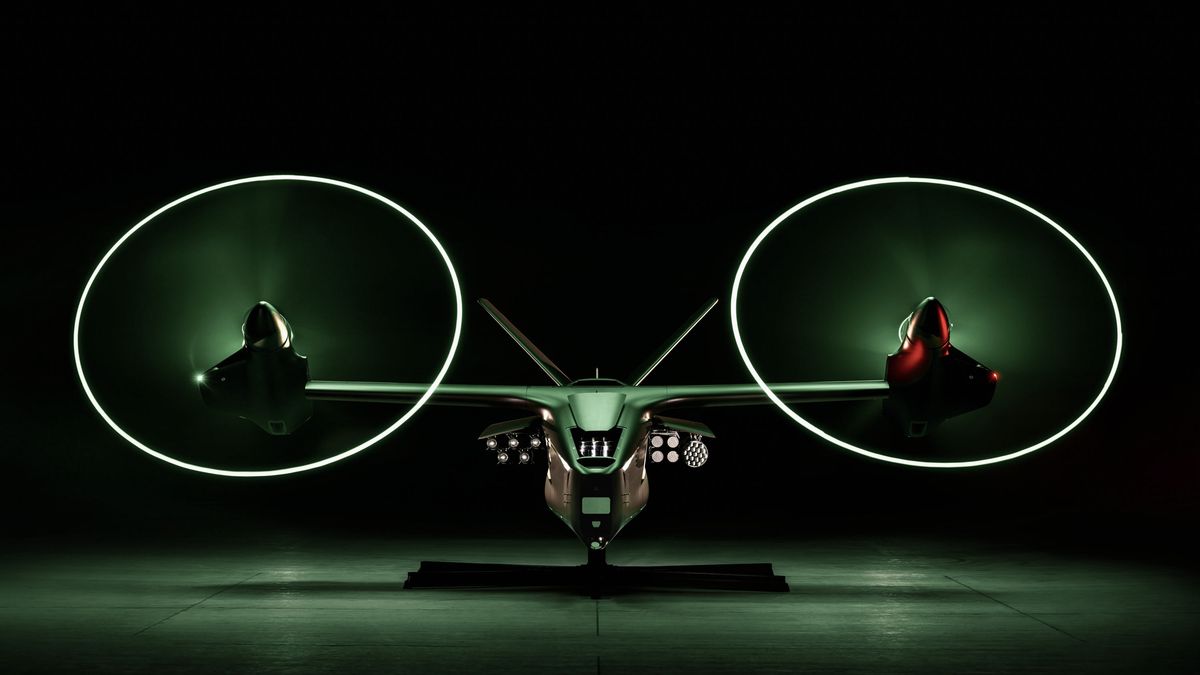
Anduril announced Thunder, a large autonomous rotorcraft designed to team with crewed attack helicopters. The tiltrotor aircraft can carry munitions, launch other drones, or perform logistics tasks in heavily defended areas.
What happened
Anduril introduced Thunder on July 20, 2026, a Group 5 (large) autonomous rotorcraft developed with aircraft manufacturer Archer Aviation. Thunder is a tiltrotor—it takes off and lands vertically like a helicopter but flies forward efficiently like an airplane—and uses a series hybrid-electric engine for range and endurance.
The aircraft is designed to operate alongside crewed attack helicopters such as the Apache. It can carry ten air-to-ground missiles (Hellfire, JAGM, or Barracuda-100M), sixteen air-launched effects like Altius drones, or 76 rockets, plus twelve counter-UAS effectors. Anduril pitched the math of teaming: three Thunder aircraft paired with each Apache would triple the munitions available to a Combat Aviation Brigade without adding crewed pilots to risk.
Thunder runs on Anduril's Lattice software, which fuses sensor data from all platforms into a shared battlefield map and handles autonomous formation flight, separation management, and task coordination. The system can navigate at low altitude in bad weather or when GPS and communications are degraded. Anduril and Archer have flown full-scale test aircraft and plan Thunder's first flight for 2027.
Background
The near-surface fight—low-altitude air operations close to the ground—has become one of the most lethal parts of modern warfare. Cheap loitering munitions (drones that can hover and strike), air defenses, and persistent surveillance have made it extremely dangerous for crewed attack helicopters and their pilots. Military planners have sought uncrewed aircraft that can take on these high-risk tasks and free crewed pilots to focus on higher-level decisions.
Thunder is a defense variant of a commercial platform co-developed with Archer Aviation, which builds electric vertical-takeoff-and-landing aircraft for passenger transport. The Optimum-Speed Tiltrotor (OSTR) technology varies rotor speed to save fuel and reduce noise during low-altitude maneuvers. The aircraft can be shipped in a container for global deployment.
What to watch next
Thunder's first flight is planned for 2027. Watch for early test results, potential U.S. Army or other service interest, and any updates on production timelines or unit costs.
Sources
- Original report: Introducing Thunder: Autonomous Attack Rotorcraft for the Near-Surface Fight (Anduril newsroom, Jul 20, 2026) Official Anduril
Written by Anduril News with AI assistance from the original report and other coverage, in plain English. It can contain mistakes; check the original for anything important. How we write these.