Sentry
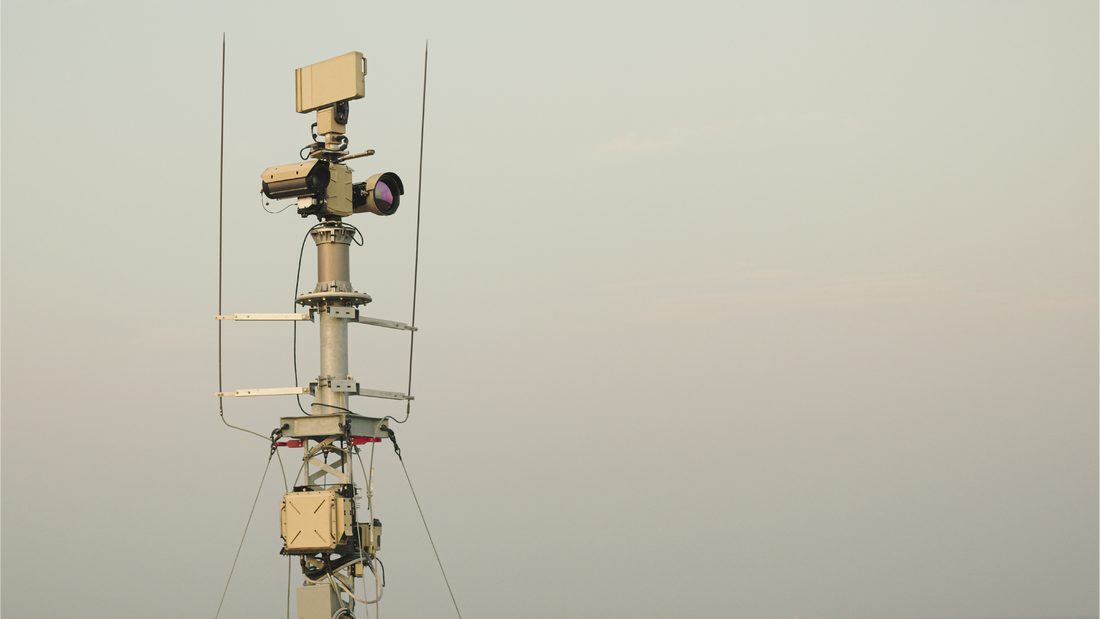
Solar-powered surveillance towers that use AI to spot and track people, vehicles and boats.
What does it actually do?
Sentry towers combine cameras and radar with on-board AI that flags objects of interest, such as people crossing a border or a boat approaching a base, and sends alerts to operators through Lattice. The U.S. Customs and Border Protection 'autonomous surveillance towers' along the U.S. border are Anduril Sentry systems.
Technical detail
- Variants: standard, Extended Range (XRST), maritime, cold weather and Mobile Sentry.
- On-tower compute classifies detections; operators get alerts rather than raw video.
- 5G communications option added in 2026.
Status
DeployedIn productionInternational customer
Hundreds of towers deployed with CBP; CBP announced 200 additional Extended Range towers in June 2026. Also used for base protection in Australia and the UK.
Known users
- U.S. Customs and Border Protection
- Royal Australian Air Force
- UK Ministry of Defence
Milestones
- CBP expands partnership with 200 additional Extended Range Sentry Towers. Source
- 300th autonomous surveillance tower deployed for border security. Source
- Three-year Royal Australian Air Force contract for northern base security. Source
- Extended Range Sentry Tower (XRST) launched. Source
- Mobile Sentry introduced. Source
- UK Ministry of Defence force-protection contract (TALOS). Source
Related systems
Questions
Why are Sentry towers controversial?
Civil-liberties groups have raised concerns about persistent AI surveillance near communities along the border and about how data is stored and shared. Supporters argue the towers cover remote terrain more cheaply than agents or fixed cameras. See the Debate page for both sides.